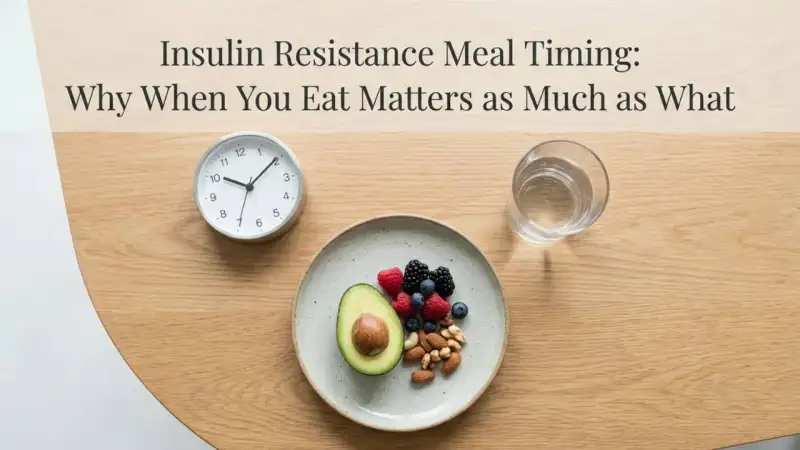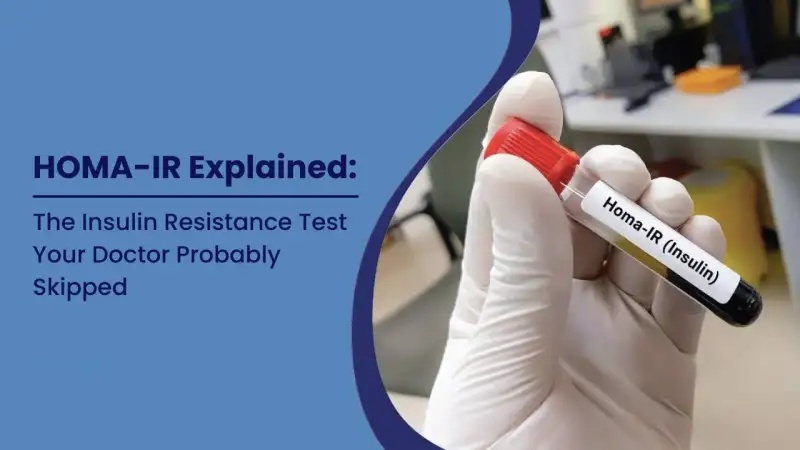

You’ve done everything the articles told you to do. You’ve prepared meals, counted calories, tracked macros, and shown up at the gym week after week. You’ve cut carbs, added more vegetables, tried intermittent fasting. You’ve been consistent, disciplined, and committed.
And still, nothing changes.
The scale won’t budge. Your energy stays low. The cravings don’t stop. You feel like you’re working twice as hard for half the results anyone else gets.
Here’s what you need to know: this isn’t in your head, and it’s not a personal failure. In clinical practice, Dr. Allison Pope Barbee, MD, founder of SustainMD, sees this pattern repeatedly. Patients come in frustrated and discouraged, convinced they’re doing something wrong. But the truth is, when you have insulin resistance, your body responds to food and exercise in fundamentally different ways. The standard advice that works for others often backfires for you, and there are clear biological reasons why.
Understanding Insulin Resistance: More Than Just Blood Sugar
Insulin is a hormone your pancreas produces when you eat. Its primary job is to help glucose from your food enter your cells so it can be used for energy. Think of insulin as a key that unlocks your cells.
With insulin resistance, your cells stop responding properly to that key. The lock gets sticky. Your pancreas compensates by making more and more insulin, trying to force the door open. Eventually, you end up with both high insulin and high blood sugar circulating in your bloodstream simultaneously.
At SustainMD, insulin resistance is approached as a complex metabolic condition, not just a blood sugar problem. Dr. Barbee evaluates how it affects multiple body systems:
-
Fat metabolism: High insulin levels actively signal your body to store fat and block fat burning
-
Hunger regulation: Disrupted insulin signaling confuses the hormones that control appetite and satiety
-
Energy production: Your cells struggle to efficiently use glucose, leaving you chronically fatigued
-
Inflammation: Insulin resistance promotes systemic inflammation that worsens metabolic dysfunction
This isn’t about willpower or discipline. Insulin resistance creates a biological environment where traditional weight loss strategies simply cannot work the way they’re supposed to.
Why Diet Alone Often Fails With Insulin Resistance
When someone without insulin resistance reduces calories, their body typically responds by accessing stored fat for energy. The math works: calories in, calories out.
When you have insulin resistance, elevated insulin levels actively prevent fat burning. Your body cannot efficiently access its own fat stores, no matter how little you eat.
Blood sugar becomes more unstable, not less. Many foods considered “healthy” trigger significant blood sugar and insulin spikes in insulin-resistant bodies. Whole wheat toast, fruit smoothies, oatmeal, or low-fat yogurt with granola can all cause rapid rises followed by crashes. These crashes leave you shaky, irritable, and intensely hungry within hours of eating.
Dr. Barbee often sees patients who’ve been told to eat frequent small meals to “keep metabolism going,” only to find this advice makes insulin resistance worse. Each time you eat, insulin rises. When insulin stays chronically elevated, your body never gets the signal to burn fat.
Cravings intensify despite eating enough. When your cells can’t properly use the energy from food, your brain receives the signal that you’re starving even if you just ate a full meal. This drives powerful biological cravings, especially for carbohydrates and sugar. You’re not weak or lacking discipline. Your hormones are telling you that you need food.
Your metabolism adapts downward. In physician-guided programs like those at SustainMD, metabolic rate is monitored as part of comprehensive care. When you restrict calories without addressing the underlying insulin resistance, your body interprets this as famine. It slows your metabolic rate to conserve energy. You end up needing to eat less and less just to maintain your weight, let alone lose it.
This is insulin resistance diet failure in its clearest form, and it’s exhausting to live through.
Why Exercise Alone Often Fails
Exercise provides enormous benefits for cardiovascular health, muscle strength, bone density, mental health, and overall longevity. Dr. Barbee emphasizes these benefits with every patient. But when insulin resistance is present, exercise alone rarely produces the weight loss results you’ve been promised.
Stress hormones can work against you. Exercise is a form of physical stress. In a metabolically healthy state, this stress triggers beneficial adaptations like improved insulin sensitivity and increased muscle mass. But when you’re already dealing with insulin resistance, intense or excessive exercise can elevate cortisol levels. Chronically high cortisol promotes fat storage, particularly around the midsection, and can actually worsen insulin resistance over time.
At SustainMD, Dr. Barbee tailors exercise recommendations based on each patient’s current metabolic state, stress levels, and recovery capacity. What works for one person may overwhelm another’s system.
Overtraining leads to exhaustion and burnout. Many people with insulin resistance push themselves harder at the gym, believing more effort will overcome the problem. This often backfires. Your body needs adequate recovery to improve insulin sensitivity. When you’re constantly depleted, inflamed, or exhausted, exercise becomes another metabolic stressor rather than a solution.
The “calories burned” model is incomplete. You might burn 300 calories during a workout, but if elevated insulin levels prevent your body from accessing fat stores afterward, you won’t see expected fat loss. Your body may compensate by increasing hunger or unconsciously reducing movement throughout the rest of the day.
This is why exercise not helping insulin resistance is such a common and deeply frustrating experience. You’re putting in real physical effort. Your body just isn’t responding the way it should.
The Emotional Toll of Trying Everything
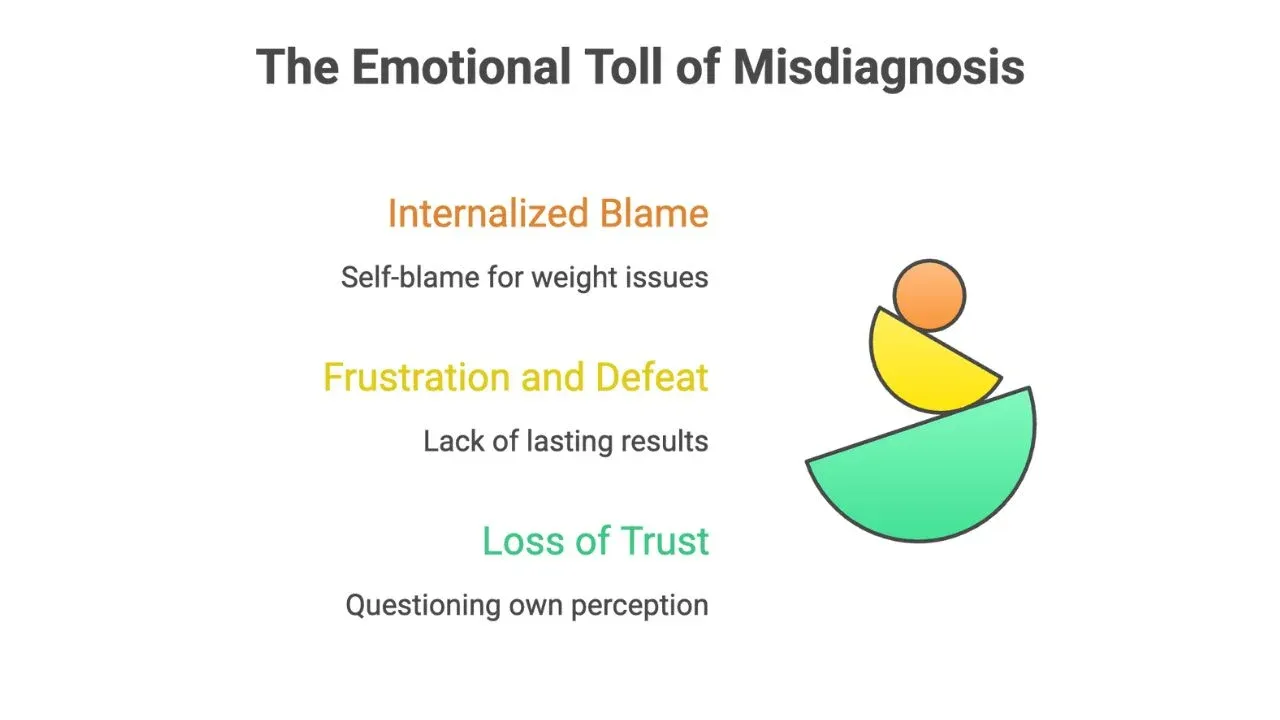
If you’ve been stuck in this cycle for months or years, you know it takes a significant psychological toll.
You start internalizing the failure. You wonder if you’re secretly eating more than you realize. You question whether you’re actually trying hard enough. You feel ashamed in medical appointments when the scale goes up despite months of documented effort. You stop trusting your own experience because it doesn’t match what you’ve been told should happen.
Friends and family offer advice that worked for them, not understanding that can’t lose weight insulin resistance creates a fundamentally different biological situation. Their success stories make you feel even more broken.
Healthcare experiences can compound this harm. Some providers dismiss concerns, assume non-compliance, or suggest you simply need more willpower. This leaves you feeling unheard and unsupported exactly when you need medical guidance most.
At SustainMD, the approach to insulin resistance is grounded in compassion and clinical reality. Dr. Barbee understands that when patients come in discouraged, it’s not because they haven’t tried hard enough. It’s because they’ve been trying to solve a medical problem with behavioral advice alone.
You are not broken. You do not lack discipline. You have a treatable metabolic condition that requires medical evaluation and physician-guided intervention.
Why Physician-Led Care Makes the Difference
Insulin resistance is a medical condition with hormonal, metabolic, genetic, and inflammatory components. It requires medical assessment and individualized treatment, not generic meal plans or fitness programs.
Identifying root causes and co-existing conditions. Insulin resistance often occurs alongside PCOS, thyroid dysfunction, sleep apnea, chronic inflammation, or hormonal imbalances. Blood work and clinical evaluation uncover what’s driving your metabolism.
Creating truly personalized strategies. What helps one person may not work for another. Dr. Barbee develops treatment plans based on your health history, medications, stress levels, sleep patterns, and lab results. This isn’t one-size-fits-all advice.
Monitoring progress beyond the scale. Improved insulin sensitivity, reduced inflammation, stable blood sugar, and increased energy are clinically significant victories even before substantial weight loss. A physician tracks these changes through lab work and comprehensive assessment.
Adjusting course when needed. If an intervention isn’t working, medical oversight allows for troubleshooting based on your body’s response. You’re not left guessing.
Addressing safety and sustainability. Popular approaches like very low-calorie diets or extreme exercise can be harmful without medical supervision. Physician-guided care ensures interventions are both effective and safe.
As a telemedicine practice, SustainMD makes physician-led metabolic care accessible regardless of where you live. You don’t have to navigate insulin resistance alone.
Insulin Resistance Boot Camp: A Structured Medical Solution
SustainMD’s Insulin Resistance Boot Camp is a 3-month, physician-supervised medical program designed specifically for people who have tried diet and exercise without sustainable success.
This isn’t a quick-fix program or generic protocol. It’s comprehensive medical care that addresses why insulin resistance weight loss not working has become your reality.
The Boot Camp includes:
-
Direct physician supervision by Dr. Allison Pope Barbee, MD, throughout your entire journey
-
Comprehensive medical evaluation and ongoing clinical monitoring
-
Personalized nutrition and lifestyle strategies based on your metabolic needs, not generic meal plans
-
Evidence-based interventions to restore insulin sensitivity and metabolic flexibility
-
Support for emotional and psychological aspects of metabolic health
-
A judgment-free clinical environment where your experience is validated and believed
This is medical treatment for a medical condition. Dr. Barbee approaches insulin resistance with the clinical seriousness it deserves, while maintaining the compassion and support patients need when they’ve been struggling for years.
The goal isn’t just weight loss. It’s sustainable metabolic health, stable energy, reduced inflammation, and a body that responds appropriately to the care you give it.
You Deserve Medical Support, Not More Blame
If diet and exercise haven’t worked for you, it’s time to stop blaming yourself and start addressing what’s actually happening in your body.
Insulin resistance changes the metabolic rules. It makes fat loss harder, hunger stronger, and standard advice ineffective. You need a physician-led approach that works with your biology, not against it.
You’ve already proven your commitment by trying everything. Now it’s time to get the right medical support.
Learn more about SustainMD’s Insulin Resistance Boot Camp and discover how physician-guided care can help you finally move forward.
Frequently Asked Questions
Why does diet and exercise not work for insulin resistance?
Because high insulin blocks fat burning and disrupts hunger signals, diet and exercise must be medically tailored to improve insulin function—not just cut calories or add workouts.
Can insulin resistance prevent weight loss even with healthy habits?
Yes—insulin resistance creates a biological barrier to fat loss, making this a metabolic issue rather than a lack of effort or discipline.
What type of exercise is best for insulin resistance?
Resistance training and moderate walking improve insulin sensitivity without excessive stress, while exercise should be individualized to avoid hormonal overload.
Why am I gaining weight despite eating healthy?
Many “healthy” foods still spike insulin in insulin-resistant bodies, making food composition and timing more important than food labels alone.
How long does it take to improve insulin resistance?
Energy and blood sugar often improve in 2–4 weeks, with measurable insulin changes in 8–12 weeks and fat loss following as sensitivity improves.
Do I need a doctor to treat insulin resistance?
Yes—insulin resistance is a medical condition, and physician-guided care improves safety, effectiveness, and long-term results.
Medical Disclaimer:
The information provided in this blog is for educational and informational purposes only and is not intended as medical advice. It should not be used to diagnose, treat, or substitute professional medical advice from a qualified healthcare provider. Always consult with a qualified healthcare professional regarding any medical concerns or conditions.