
Online PCOS (PMOS) care · NC · CA · FL · ME
PCOS (PMOS) Treatment for Your Hormonal and Metabolic Health
Struggling with irregular periods, stubborn weight or breakouts, even when you’re doing everything right? PCOS, now officially renamed PMOS (polyendocrine metabolic ovarian syndrome), may be part of the picture.
This common hormonal condition affects how your body handles insulin and weight, which is why standard advice often falls short.

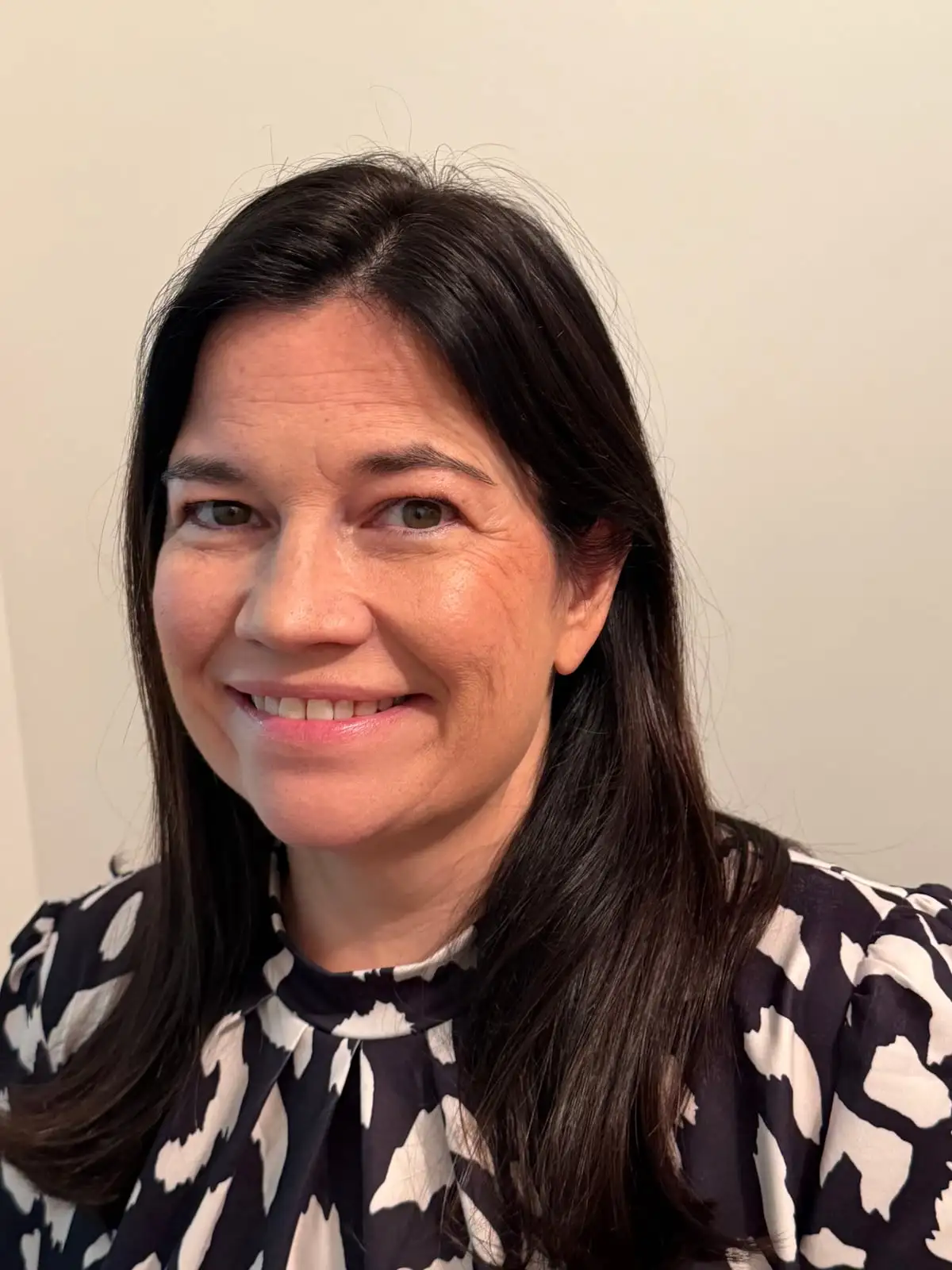
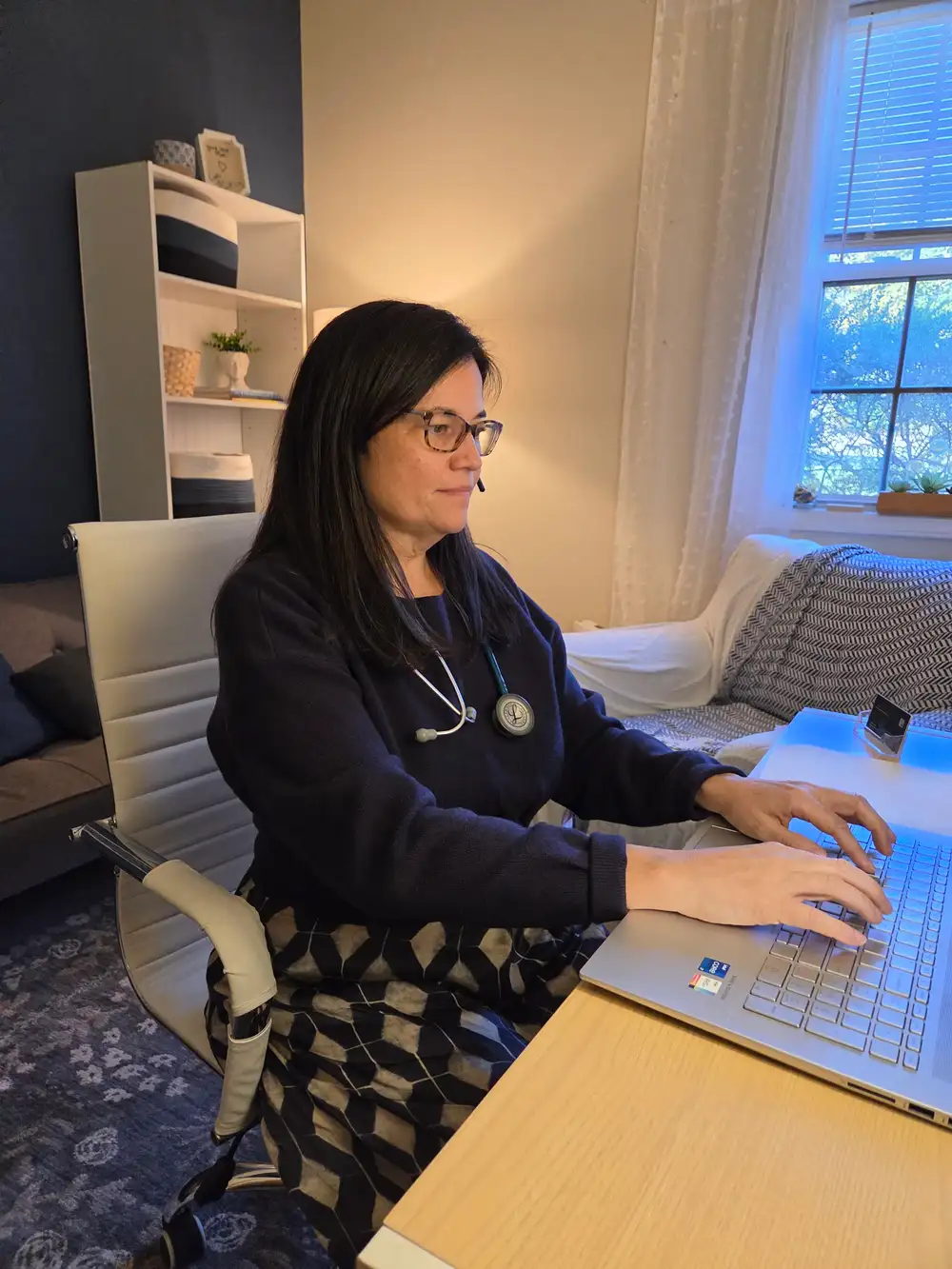
At SustainMD, Dr. Allison Pope Barbee, a board-certified Family Medicine physician with over 20 years of clinical experience, offers personalized virtual care for PCOS-related weight and metabolic concerns, with a thorough evaluation, a plan built around your life and ongoing support.
The basics
What is PCOS (PMOS)?
PCOS, now called PMOS, is a common hormonal and metabolic condition. It often involves higher androgen levels, irregular ovulation and metabolic changes that affect weight and blood sugar.
Despite the old name, PCOS doesn’t always involve ovarian cysts. That’s one reason it was renamed. Symptoms vary: some women mainly have irregular periods, while others deal with acne, excess hair, insulin resistance or weight changes.
PCOS often involves
- Higher androgen levels
- Irregular ovulation
- Metabolic changes that affect weight and blood sugar
Common symptoms include
Common symptoms of PCOS
PCOS symptoms vary from person to person and may change over time. Some women notice signs during adolescence, while others seek evaluation later when menstrual irregularities or metabolic concerns become more noticeable.
Irregular periods
Menstrual cycles may become unpredictable, infrequent, or absent.
Excess facial or body hair
Higher androgen levels can cause unwanted hair growth.
Persistent acne
Hormonal changes may contribute to acne that continues into adulthood.
Thinning scalp hair
Some women experience hair loss associated with elevated androgens.
Weight gain
PCOS may occur alongside weight gain or difficulty maintaining a comfortable weight.
Darkened skin patches
Acanthosis nigricans may develop in women with insulin resistance.
Not everyone with PCOS experiences all these symptoms. Some women also have normal body weight despite significant hormonal or metabolic changes.
What causes PCOS?
The exact cause of PCOS is not fully understood. Research suggests that genetics, hormone regulation, and metabolic factors all play important roles.
- 01
Family history
PCOS tends to run in families, suggesting a genetic contribution.
- 02
Hormonal changes
Elevated androgen levels can interfere with ovulation and contribute to acne, excess hair growth, and irregular periods.
- 03
Insulin resistance
Many women with PCOS have reduced insulin sensitivity, which can contribute to higher insulin levels and increased androgen production. Learn more about insulin resistance.
- 04
Metabolic factors
PCOS frequently overlaps with obesity, abnormal cholesterol levels, and other metabolic concerns.
The metabolic link
How are PCOS and insulin resistance connected?
Insulin resistance is a common feature of PCOS, although not every woman with the condition experiences it.
Importantly, insulin resistance can occur in women with PCOS regardless of body weight.
How insulin resistance can affect PCOS
- Your cells respond less effectively to insulin.
- Your pancreas may produce additional insulin to maintain normal blood sugar levels.
- Higher insulin levels can stimulate androgen production, potentially worsening certain PCOS symptoms.
Insulin resistance may also increase the risk of
- Prediabetes and type 2 diabetes
- High cholesterol
- High blood pressure
- Metabolic syndrome
Weight and metabolism
PCOS-related weight gain and metabolic health
PCOS and weight gain are closely connected, but the relationship is complex.
Insulin resistance, hormonal changes, appetite regulation, and other biological factors may contribute to weight management difficulties. At the same time, excess body fat can worsen insulin resistance and certain PCOS symptoms.
Some women notice increased abdominal fat, sometimes described as PCOS belly fat. However, abdominal weight gain is not unique to PCOS and cannot establish a diagnosis.
Not every woman with PCOS gains weight, and weight gain should never be assumed to result from poor lifestyle choices.
For women experiencing persistent weight concerns, personalized medical weight management may help address contributing factors while supporting broader metabolic health.

Your evaluation
PCOS (PMOS) evaluation and diagnosis
Diagnosing PCOS involves reviewing symptoms, medical history, and relevant laboratory findings while ruling out other possible causes.
In adults, diagnosis generally requires at least two of three findings: irregular ovulation, clinical or laboratory evidence of elevated androgens, or polycystic ovarian features identified through appropriate testing. Not every patient requires an ultrasound. Diagnosis also differs in adolescents.
Your evaluation may include
- A review of menstrual patterns and symptoms
- Hormonal blood tests when indicated
- Assessment of blood sugar and cholesterol
- Screening for related metabolic conditions
- Ultrasound or specialist evaluation when appropriate
SustainMD can help evaluate relevant health concerns and coordinate appropriate testing or specialist referrals when needed.
Available PCOS treatment options
PCOS treatment depends on your symptoms, medical history, metabolic health, and personal goals.
There is no single treatment that works for everyone. Care may involve lifestyle changes, medications, and specialist services depending on which aspects of PCOS require attention.

Nutrition and Lifestyle Changes
Balanced nutrition, regular physical activity, and adequate sleep can support metabolic health and improve certain PCOS-related concerns.
There is no single proven PCOS diet that works best for everyone. Sustainable eating habits are generally more helpful than extreme restrictions.
PCOS Medication
Medication options depend on individual symptoms and treatment goals. Metformin may be considered for metabolic concerns, particularly insulin resistance. Hormonal medications may help manage menstrual irregularities or androgen-related symptoms, depending on medical suitability.
For women with PCOS and obesity, prescription weight management medications may also be considered when appropriate. Medication decisions require individualized medical evaluation.
Ongoing Metabolic Monitoring
Women with PCOS have an increased risk of certain metabolic conditions, making appropriate blood sugar, cholesterol, and blood pressure monitoring important.
Dr. Barbee focuses on metabolic health, chronic disease management, and individualized weight-related care. Gynecologic or fertility-specific treatment may require coordination with the appropriate specialist.
Weight loss support
Weight loss support for PCOS
If you’ve tried several diets without lasting success, you’re not alone. PCOS-related metabolic challenges can make weight management more complicated, but meaningful progress is possible.
For patients with obesity or weight-related metabolic concerns, Dr. Barbee provides individualized medical weight loss care that considers the challenges associated with PCOS.
A sustainable PCOS weight loss approach may include
- Eating balanced meals with protein, fiber, and nutrient-rich carbohydrates
- Incorporating regular movement and strength training
- Maintaining consistent sleep habits
- Addressing insulin resistance and related conditions
- Considering medical weight management when appropriate
Care at SustainMD
Personalized PCOS treatment online at SustainMD
At SustainMD, PCOS-related care focuses on improving metabolic health, managing weight-related concerns, and addressing associated chronic conditions.
Dr. Allison Barbee combines her Family Medicine experience with an interest in obesity medicine to provide thoughtful, physician-led support.
Depending on your individual needs and selected program, care may include
- Medical history and metabolic health evaluation
- Personalized nutrition and lifestyle guidance
- Blood sugar and cholesterol monitoring
- Medication management when appropriate
- Physician-supervised weight management
- Ongoing follow-up and treatment adjustments
For significant insulin resistance
- 12-week program
Insulin Resistance Boot Camp
A structured program featuring physician visits, glucose monitoring, and personalized accountability.
Treatment recommendations depend on individual medical findings and eligibility.

Why choose SustainMD for PCOS-related care?
Managing PCOS can involve several interconnected health concerns. Having a physician who considers the bigger picture can make navigating treatment less overwhelming.
- ExperiencedBoard-certified in Family Medicine, a member of the Obesity Medicine Association, with more than 20 years of clinical experience
- PersonalCare directly from Dr. Barbee, with practical guidance, clear communication, and long-term relationships
- ConvenientVirtual care across California, Florida, Maine, and North Carolina, with in-person appointments in North Carolina upon inquiry
- CoordinatedA focus on the metabolic and weight-related aspects of PCOS, coordinating additional care when appropriate
FAQ
Frequently asked questions about PCOS
Can PCOS cause weight gain?
Yes. PCOS can contribute to weight management challenges through insulin resistance, hormonal changes, and other metabolic factors. However, not everyone with PCOS experiences weight gain.
Can you lose weight with PCOS?
Yes. Balanced nutrition, regular physical activity, and appropriate medical treatment can support weight loss. Some women benefit from physician-supervised weight management, particularly when obesity or insulin resistance is present.
What is the best diet for PCOS weight loss?
There is no single best PCOS diet. Eating patterns that include fiber-rich foods, adequate protein, healthy fats, and balanced carbohydrates can support metabolic health. Individual nutritional needs should guide dietary choices.
Does PCOS always cause insulin resistance?
No. Insulin resistance is common among women with PCOS, including those at a healthy weight, but it is not present in every case. Medical evaluation can help identify associated metabolic risks.
Can PCOS be treated online?
Yes. Many PCOS-related metabolic concerns can be managed through telemedicine, including weight management, laboratory review, lifestyle guidance, and appropriate medication monitoring. Some reproductive or gynecologic concerns require specialist evaluation.
Virtual PCOS weight management in North Carolina, California, Florida & Maine
Managing PCOS-related weight changes and insulin resistance can be frustrating, especially when general health advice doesn’t address your individual challenges.
At SustainMD, Dr. Allison Barbee provides personalized virtual care focused on the metabolic and weight-related aspects of PCOS. Through medical evaluations, lifestyle guidance, and appropriate treatment options, she helps patients better understand the connection between hormones, metabolism, and long-term health.
Where we offer PCOS-related metabolic care
- NC
North Carolina
Access PCOS weight management in North Carolina, with physician-led support for insulin resistance, weight-related concerns, and metabolic health.
- CA
California
Receive personalized PCOS weight loss support in California through convenient virtual appointments, with treatment recommendations tailored to your medical needs.
- FL
Florida
Explore virtual PCOS metabolic care in Florida, including nutrition guidance, metabolic monitoring, and support for related weight management challenges.
- ME
Maine
Connect with Dr. Barbee for online PCOS weight management in Maine, with individualized guidance focused on improving metabolic health.
Medical Disclaimer: This information is educational and does not replace individual medical advice, diagnosis or treatment.
Get personalized support for PCOS-related weight and metabolic concerns
You deserve medical care that considers how PCOS may affect your metabolism, weight, and overall well-being.
At SustainMD, Dr. Allison Barbee provides compassionate, physician-led support for PCOS-related metabolic concerns through virtual appointments in North Carolina, California, Florida, and Maine.
Find a personalized approach that supports your long-term health.