
Online insulin resistance care · NC · CA · FL · ME
Insulin Resistance Treatment for Healthier Blood Sugar
Struggling with stubborn weight gain, low energy, or blood sugar concerns despite your efforts to stay healthy? Insulin resistance could be one of the underlying factors affecting your metabolic health.
Insulin resistance occurs when your body’s cells stop responding effectively to insulin, making it harder to regulate blood sugar. Over time, this can increase your risk of prediabetes, type 2 diabetes, and other metabolic conditions.

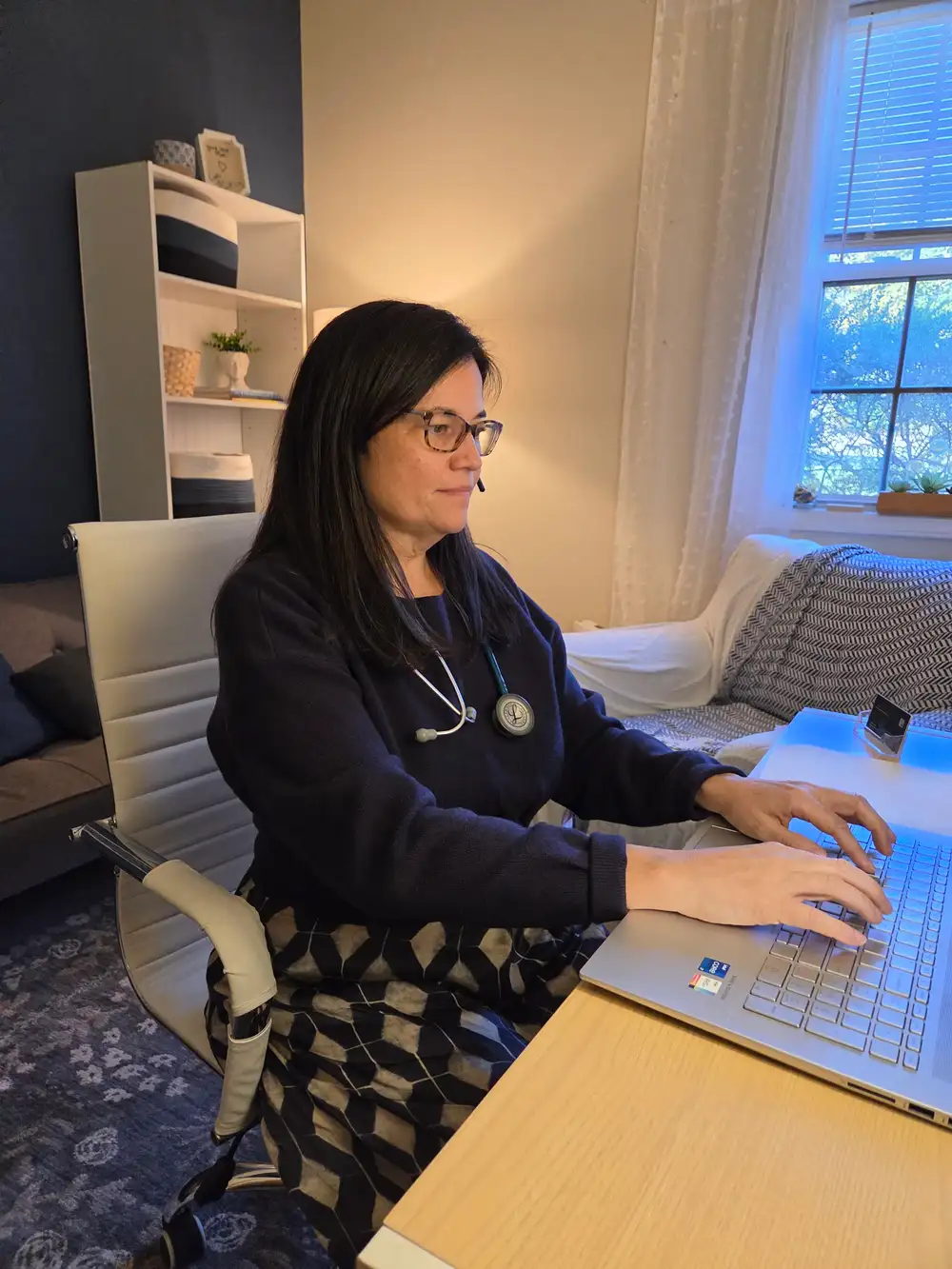
At SustainMD, Dr. Allison Pope Barbee, a board-certified Family Medicine physician with over 20 years of clinical experience, provides personalized insulin resistance treatment through convenient virtual appointments. Her approach focuses on understanding your health, addressing contributing factors, and helping you make sustainable changes.
The basics
What is insulin resistance?
Insulin is a hormone produced by your pancreas that helps glucose move from your bloodstream into your cells, where it is used for energy.

How insulin resistance develops
- Your muscle, fat, and liver cells become less sensitive to insulin.
- Your pancreas responds by producing more insulin to maintain normal blood sugar levels. For a while, your body may compensate successfully.
- If insulin resistance continues, blood sugar can rise as your pancreas struggles to keep up with the increased demand.
- This can eventually lead to prediabetes or type 2 diabetes.
Common signs of insulin resistance
Signs and symptoms of insulin resistance
Insulin resistance often develops gradually, without obvious warning signs. Many people discover it only after routine blood tests reveal metabolic concerns.
Although insulin resistance itself may not cause noticeable symptoms, certain physical changes and health conditions can suggest an increased likelihood.
Increased abdominal fat
Excess fat around the waist is associated with reduced insulin sensitivity.
Darkened skin patches
Acanthosis nigricans can cause darker, thicker skin around the neck, armpits, or skin folds.
Skin tags
Multiple skin tags may sometimes occur alongside insulin resistance.
Elevated blood sugar
Higher glucose or A1c levels may indicate prediabetes or diabetes.
Abnormal cholesterol levels
High triglycerides and low HDL cholesterol frequently occur with insulin resistance.
High blood pressure
Insulin resistance can contribute to broader metabolic and cardiovascular health concerns.
Some people also experience fatigue, increased hunger, or difficulty managing their weight. However, these symptoms can have many causes and do not confirm insulin resistance. Noticing these changes? A personalized medical evaluation can help identify potential metabolic concerns.
Causes of insulin resistance
Insulin resistance rarely develops because of one specific factor. Genetics, lifestyle, body composition, and underlying health conditions can all influence how effectively your body responds to insulin.
- 01
Excess abdominal fat
Visceral fat surrounding internal organs can contribute to inflammation and interfere with normal insulin signaling.
- 02
Physical inactivity
Regular movement helps muscles use glucose more efficiently. A sedentary lifestyle can reduce insulin sensitivity.
- 03
Family history
Having close relatives with type 2 diabetes may increase your likelihood of developing insulin resistance.
- 04
Hormonal and metabolic conditions
Conditions such as polycystic ovary syndrome (PCOS), obesity, and metabolic syndrome are commonly associated with insulin resistance.
- 05
Poor sleep
Inadequate sleep and untreated sleep disorders can negatively affect glucose metabolism.

Your evaluation
How is insulin resistance diagnosed?
There is no single routine test that definitively diagnoses insulin resistance in every patient. Instead, physicians assess your medical history, metabolic risk factors, physical findings, and appropriate laboratory results.
Depending on your needs, an evaluation may involve
- Reviewing your medical history, medications, and family history
- Discussing weight changes, physical activity, nutrition, and sleep
- Checking A1c, fasting glucose, and cholesterol levels
- Evaluating related conditions such as PCOS or metabolic syndrome
- Ordering additional tests when clinically appropriate
Dr. Barbee helps patients understand their results rather than focusing on isolated numbers.
How to reverse insulin resistance and improve metabolic health
Although individual results vary, insulin sensitivity can often improve significantly with consistent lifestyle changes and appropriate medical treatment. The most effective approach focuses on sustainable progress rather than temporary restrictions.

Follow a Balanced Insulin Resistance Diet
Helpful choices include vegetables, fiber-rich carbohydrates, lean proteins, whole grains, and healthy fats. Reducing sugary drinks and frequently consumed highly processed foods may also help.
You do not necessarily need to eliminate carbohydrates. The right eating plan depends on your health needs, preferences, and medical history.
Make Physical Activity Part of Your Routine
Regular movement helps muscles use glucose more efficiently and can improve insulin sensitivity. Walking, cycling, swimming, and strength training are all useful options.
Start with activities that suit your fitness level and gradually build a routine you can maintain.
Manage Weight When Appropriate
For people living with overweight or obesity, even modest weight loss can improve insulin sensitivity and reduce metabolic risk.
However, weight management involves more than willpower. Medical conditions, medications, sleep, and hormonal factors may influence progress.
Prioritize Sleep and Medical Follow-Ups
Consistent sleep, stress management, and regular medical monitoring can support your overall treatment plan. Some patients may also benefit from prescription medication when clinically appropriate.
Care at SustainMD
Insulin resistance care at SustainMD
At SustainMD, insulin resistance treatment begins with understanding your medical history, laboratory findings, and personal health goals.
Dr. Barbee provides physician-led metabolic care designed to address contributing factors rather than offering generic advice.
Depending on your needs and selected program, your care may include
- Comprehensive evaluation of your medical history, medications, metabolic risk factors, and laboratory results
- Personalized lifestyle guidance with realistic nutrition, activity, and behavioral strategies
- Medication management, including GLP-1-based medications for eligible patients with obesity or related conditions
- Continuous glucose monitoring (CGM) when appropriate to understand glucose patterns
- Ongoing support, monitoring progress and adjusting recommendations as your health changes
For more intensive guidance
- 12-week program
Insulin Resistance Boot Camp
A structured program with weekly physician visits, continuous glucose monitoring, medication and laboratory tracking, and personalized accountability.
Treatment is tailored to individual needs, and outcomes may vary.

Why choose SustainMD for insulin resistance care?
Finding an insulin resistance doctor who understands the connection between metabolism, weight, and chronic health conditions can make managing your health feel less overwhelming.
At SustainMD, care is provided directly by Dr. Allison Pope Barbee, a board-certified Family Medicine physician and member of the Obesity Medicine Association. With over two decades of clinical experience, she combines evidence-based medicine with compassionate, relationship-focused care.
- PersonalizedPersonalized treatment rather than generic plans
- DirectDirect physician involvement throughout your care
- ConvenientVirtual appointments and ongoing support across North Carolina, California, Florida and Maine, with in-person visits in North Carolina upon inquiry
- Whole-pictureAn approach that considers weight, metabolic health, and related chronic conditions together
FAQ
Frequently asked questions about insulin resistance
What are the first signs of insulin resistance?
Insulin resistance often has no noticeable symptoms. Possible signs include darkened skin patches, skin tags, increased abdominal fat, and metabolic changes such as abnormal cholesterol levels. Medical evaluation can help identify associated risks.
Can insulin resistance be reversed?
Insulin sensitivity can often improve through balanced nutrition, regular exercise, weight management when appropriate, and medical treatment. The extent of improvement depends on your individual health and underlying conditions.
What is the best diet for insulin resistance?
A balanced diet emphasizing vegetables, fiber-rich carbohydrates, lean proteins, and healthy fats can support metabolic health. There is no single ideal diet, so recommendations should reflect your nutritional and medical needs.
Can you have insulin resistance without diabetes?
Yes. Insulin resistance can exist for years before blood sugar reaches the threshold for prediabetes or diabetes. Your pancreas may initially produce additional insulin to keep glucose levels normal.
How long does it take to improve insulin resistance?
Some improvements may occur within weeks, while more substantial metabolic changes can take months. Progress depends on factors such as activity, nutrition, medications, underlying conditions, and consistency.
Virtual insulin resistance treatment in North Carolina, California, Florida & Maine
Managing insulin resistance shouldn’t mean putting your health on hold because of limited access to medical care. At SustainMD, Dr. Allison Barbee provides personalized virtual insulin resistance treatment, helping patients understand their metabolic health and make meaningful, sustainable improvements.
Whether you need help interpreting laboratory results, managing weight-related concerns, or exploring a structured treatment program, you can receive physician-led care from the comfort of home.
Where we provide virtual insulin resistance care
- NC
North Carolina
Access online insulin resistance treatment in North Carolina, with personalized guidance, metabolic health monitoring, and ongoing physician support. In-person appointments in Concord are available upon inquiry.
- CA
California
Connect with Dr. Barbee for virtual insulin resistance care in California, including individualized nutrition guidance, medical evaluations, and appropriate treatment recommendations.
- FL
Florida
Receive physician-led insulin resistance treatment online in Florida, with support for improving insulin sensitivity and managing related metabolic conditions.
- ME
Maine
Get convenient insulin resistance telehealth care in Maine, including laboratory reviews, lifestyle recommendations, and ongoing medical guidance.
Medical Disclaimer: This information is educational and does not replace individual medical advice, diagnosis or treatment.
Get personalized insulin resistance care from home
You don’t have to manage insulin resistance through guesswork or restrictive diets. Dr. Allison Barbee helps patients across North Carolina, California, Florida, and Maine understand their metabolic health and develop realistic treatment strategies.
Ready to take the next step? Book your initial consultation with SustainMD.